Our Clinics

Liverpool Street
London Vaccination Clinic Spaces
35 New Broad Street, London
EC2M 1NH
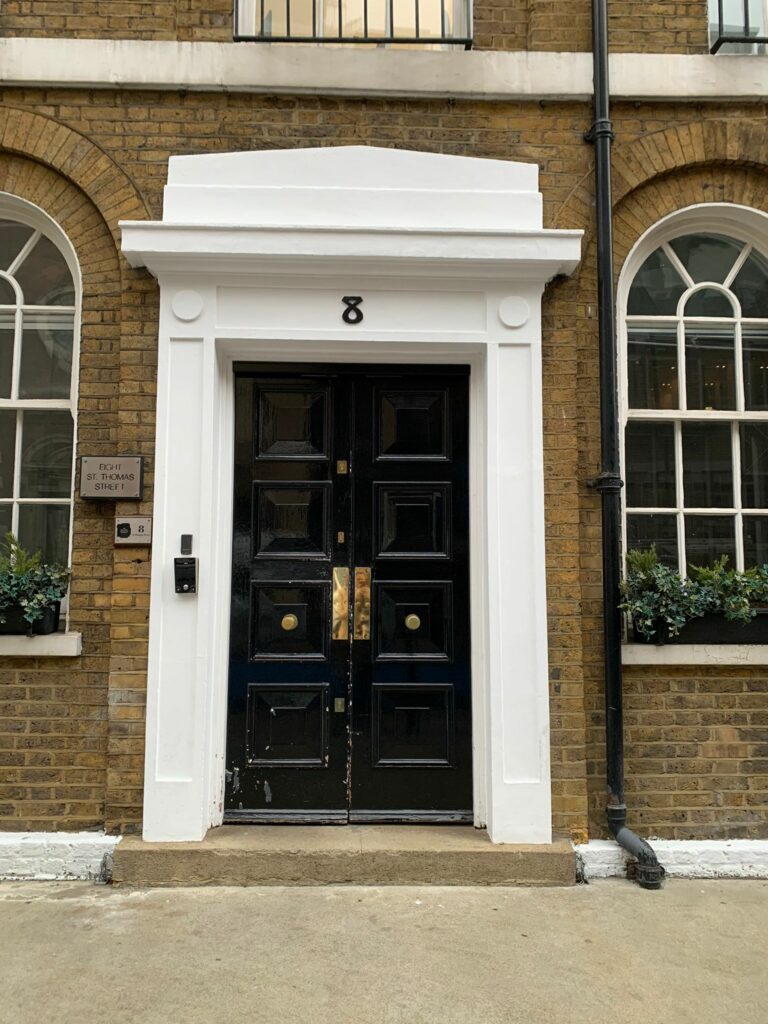
London Bridge
8 St Thomas Street
London
SE1 9RS

Kensington
Office 203
239 Kensington High St
W8 6SN
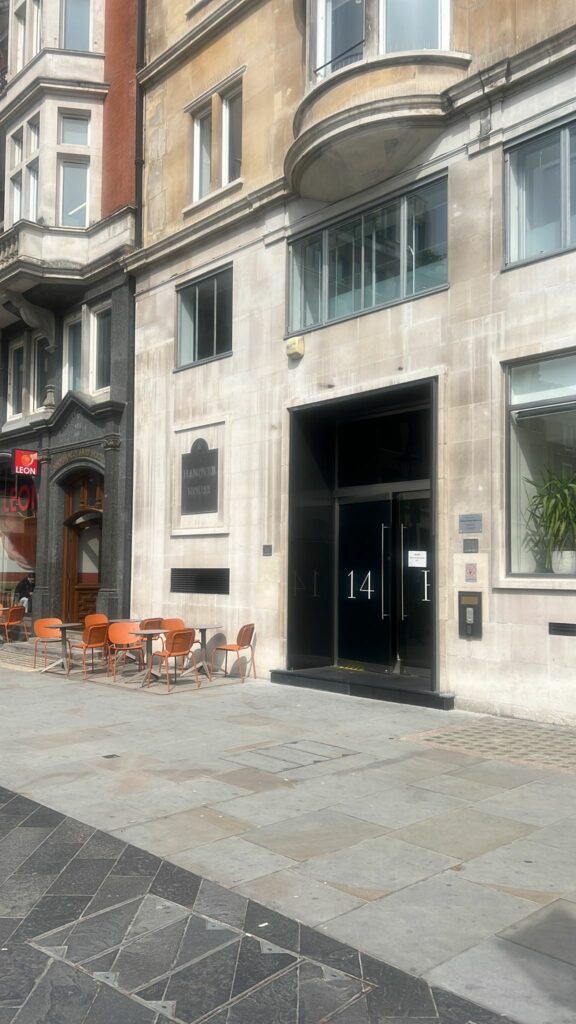
Mayfair
Office 14
Hanover Square, London
W1S1YH

Battersea Park
The Engine Room Battersea Power Station, 18, Circus Rd S, London SW11 8BZ

Birmingham Edmund House
Room 108, Edmund House, B3 3AS
Tuberculosis is a bacterial infection caused by the bacteria Mycobacterium
Tuberculosis complex and it is spread via droplet infection e.g coughing, sneezing. Prolonged exposure to infected individuals is usually required for infection to occur
Tuberculosis can affect any part of the body but most commonly it affects the lungs.
In the UK the rates of TB have declined. Globally, TB is still common with rates varying country to country. The highest rates of TB occur in Africa (particularly sub-Saharan Africa and West Africa), South and South East Asia, Russia, China and South America.
Avoid contact with those diagnosed with TB.
The vaccine for TB is called the Bacillus Calmette-Guerin (BCG).
In the UK vaccine is recommended for:
- All infants (aged 0 to 12 months) with a parent or grandparent who was born in a country where the annual incidence of TB is 40/100,000 or greater.
- All infants (aged 0 to 12 months) living in areas of the UK where the annual incidence of TB is 40/100,000 or greater.
- Previously unvaccinated children aged one to five years with a parent or grandparent who was born in a country where the annual incidence of TB is 40/100,000 or greater.
- Previously unvaccinated, tuberculin-negative children aged from six to under 16 years of age with a parent or grandparent who was born in a country where the annual incidence of TB is 40/100,000 or greater.
- Previously unvaccinated tuberculin-negative individuals under 16 years of age household or equivalent close contacts of cases of sputum smear-positive pulmonary or laryngeal TB
- Previously unvaccinated, tuberculin-negative individuals under 16 years of age who were born in or who have lived for a prolonged period (at least three months) in a country with an annual TB incidence of 40/100,000 or greater
- Those at occupational risk
- Travellers at higher risk including, those visiting friends and relatives, healthcare workers, long-term travellers, and those who have contact with a person who has active infection.
- Vaccine name – BCG
- Property – Live Vaccine given by intradermal injection in the top of the left arm.
- Course – Single dose
- Booster – Although immunity may decrease over time vaccine should not be repeated
- Side effects – Following vaccination a small raised bump will appear known as a bleb. Sometimes you may have injection site reactions including ulcers, abscesses and keloid scarring. Other side effects include headache, fever and lymph node enlargement.
- Special Certificate requirement – None, we can provide a certificate following a scar check or positive mantoux if required for occupational reasons.
- Special instructions –Prior to vaccination you may require a Mantoux test to check immunity. Mantoux testing is recommended for the following groups:
- All individuals aged six years or over
- Infants and children under six years of age with a history of residence or prolonged stay (more than three months) in a country with an annual TB incidence of 40/100,000 or greater.
- Those who have had close contact with a person with known TB.
- Those who have a family history of TB within the last five years
- BCG can be given up to three months following a negative tuberculin test.
Immunity may decline over time but revaccination is not recommended.
Because we specialise in vaccinations, we’re the ideal London Vaccination Clinic for locals and visitors alike.
Mantoux Test: £95
BCG: £105
Scar Check: £56
Our London Travel Clinics
All 5 of our centrally located travel clinics are convenient for people living and working in London. Liverpool Street, London Bridge, High St Kensington, Battersea and Mayfair. We are open early morning, lunchtime, evening and weekends and provide all of the vaccinations and medications that you need.