
Our Clinics

Liverpool Street
London Vaccination Clinic Spaces
35 New Broad Street, London
EC2M 1NH
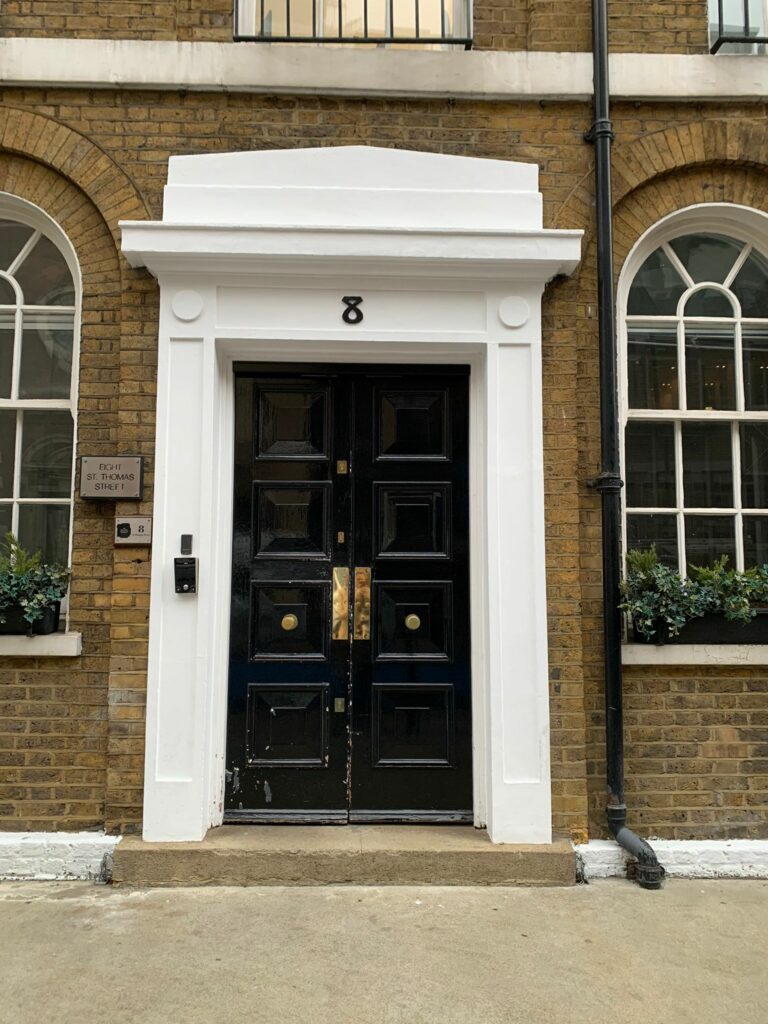
London Bridge
8 St Thomas Street
London
SE1 9RS

Kensington
Office 203
239 Kensington High St
W8 6SN

Mayfair
Office 14
Hanover Square, London
W1S1YH

Battersea Park
The Engine Room Battersea Power Station, 18, Circus Rd S, London SW11 8BZ

Birmingham Edmund House
Room 108, Edmund House, B3 3AS
Tick-borne Encephalitis is one of the few vaccinations recommended for travel in northern Europe, and the disease is well worth avoiding. Here’s what you need to know about the disease, the symptoms and what you can do to protect yourself.
The disease is most common in eastern, northern and central Europe. There are also sub-types of the disease in eastern Russia and East Asia, including China and Japan. Ticks are mainly found in forested areas, grasslands, beside rivers, lakes and wetlands. People involved in outdoor activities like camping, trekking, hiking, fishing and mountain biking in high risk areas should consider immunisation.
Tick-borne Encephalitis is a serious viral infection passed to people through tick bites. Most people usually make a full recovery within a week. In more serious cases the infection can spread to the protective tissues around the spinal cord and brain, which can go on to affect the mental and nervous state of the infected person, requiring hospitalisation.
Tick-borne Encephalitis is fatal in 1% of people. 10% of those affected will go on to develop long-term conditions like fatigue, emotional changes, personality changes, mood swings, epilepsy, memory loss and speech problems.
The initial symptoms usually develop between 2 – 28 days of being bitten, and last for 1 – 8 days. Common tick-borne encephalitis symptoms include:
- High temperature
- Headache
- Fatigue
- Muscle pain
- Nausea
Immunisation is your first line of defence. Otherwise, if you’re out in the countryside, cover your bare arms and legs to prevent ticks getting onto your skin. When they bite they release a chemical that numbs the site of the bite, so you might see it before you feel it.
Get medical advice as soon as possible if you’ve been bitten by a tick in an at-risk area and haven’t been vaccinated, or if you get a rash or fever after being bitten by something you didn’t see or feel. Avoid unpasteurised dairy products, check your body regularly for ticks and, if you find any, make sure you know in advance how to remove them safely and quickly.
Vaccination involves three doses over 5 -12 months but you can also take an accelerated dose over two weeks, designed to provide short term protection that’s usually good enough for 90% of people.
Always arrange your shots as early in advance as possible before you travel. Many of our travellers take last minute trips, but not to worry. We can still vaccinate you before you go. The vaccination can be given to anyone over the age of one, and for children aged 1 – 16 we have a special child’s version of the vaccine called Ticovac Junior.
- Vaccine name – Ticovac
- Property – an inactivated vaccine administered by injection to the arm’s deltoid muscle
- Course – 3 doses: 2 doses 1 – 3 months apart, 3rd dose 5 -12 months later. For accelerated protection, the second dose can be given as little as 14 days after first
- Booster – Get your first booster within within three years, then every 3 – 5 years
- Side effects – local pain, redness, inflammation, flu like symptoms
- Special instructions – contains gentamicin and neomycin
As travel immunisation specialists, we’re a popular choice for anyone living in or visiting London. We provide all the most popular and essential vaccinations for people travelling and staying abroad.
Our London Travel Clinics
All 5 of our centrally located travel clinics are convenient for people living and working in London. Liverpool Street, London Bridge, High St Kensington, Battersea and Mayfair. We are open early morning, lunchtime, evening and weekends and provide all of the vaccinations and medications that you need.