
Hepatitis B Vaccine in Central London

Hepatitis B is a highly infectious virus that attacks the liver and can cause serious illness. In some cases, it can lead to long-term liver damage, chronic infection, and liver cancer. It is found worldwide and remains a major global health concern.

About the Hepatitis B Vaccine

When Should You Get the Hepatitis B Vaccine?

We recommend starting the Hepatitis B vaccine course as early as possible before travel. Ideally, your first dose should be given at least 2 months before departure, as the standard schedule involves 3 doses given one month apart.
If you are travelling at short notice, an accelerated schedule (3 doses over one month) may still provide useful protection before departure.
Our specialist nurses will assess your destination, travel dates, planned activities and medical history to advise on the best timing for your Hepatitis B vaccination.

Vaccine Schedule

The Hepatitis B vaccine is given as an injection in the upper arm.
The standard Hepatitis B vaccine UK schedule includes:
-First dose: Day 0
-Second dose: 1 month after the first dose
-Third dose: 6 months after the first dose
For travellers leaving sooner, an accelerated schedule may be recommended:
-Day 0
-Day 7
-Day 21
-Booster at 12 months
In some cases, a 0, 1, 2 month schedule may also be used, which does not require a booster at 12 months.
Our specialist nurses will confirm the most appropriate Hepatitis B vaccine schedule for adults or children based on your travel plans and level of risk.

Booster Requirements

For most travellers, a routine booster is not usually needed after completing the full course, as protection is long lasting and may be lifelong.
If you complete an accelerated schedule, a fourth dose at 12 months is required to ensure long-term protection.
Certain higher-risk groups, including healthcare workers and some occupational travellers, may be advised to have additional testing or boosters.
Our specialist nurses will review your vaccination history and confirm whether a booster is required.

How the Hepatitis B Vaccine Is Given

The Hepatitis B vaccination is administered as an injection in the upper arm during your appointment.
Your consultation typically lasts around 15 minutes and includes:
-A travel risk assessment
-A review of your medical history
-Personalised vaccination advice

How Long Does the Hepatitis B Vaccine Last

After completing the full Hepatitis B vaccine course, protection is generally long lasting and may be lifelong for many individuals.
People in higher-risk groups may occasionally require further assessment or testing to confirm immunity.
If you are unsure whether you have previously received the Hepatitis B vaccine, our specialist nurses can advise on the safest next step.

Possible Side Effects

Most people tolerate the Hepatitis B vaccine well. Side effects are usually mild and short-lived.
Possible side effects include:
-Pain, redness or swelling at the injection site
-Mild fever
-Headache
-Tiredness
-Feeling generally unwell
Serious allergic reactions are rare. Our specialist nurses will explain potential side effects and answer any questions before vaccination.

Who Can Have the Hepatitis B Vaccine

The Hepatitis B vaccine is part of the UK national immunisation programme and is routinely given to babies from 8 weeks of age. However, the risk is higher in many parts of the world, so it is recommended for most travellers, particularly those visiting higher-risk regions.
You should consider vaccination if you:
-Are travelling to intermediate or high-prevalence countries (e.g. Africa, Asia or South America)
-Are staying for longer periods or travelling frequently
-May have new sexual partners or undergo procedures such as tattoos, piercings or medical treatment abroad
-Work in healthcare, aid roles or close contact with local populations
-Have underlying risk factors such as chronic liver disease or potential exposure to blood or bodily fluids
Your medical history will be reviewed by our specialist nurses to ensure the vaccine is safe and appropriate for you.

Risk If You Contract Hepatitis B

Hepatitis B affects the liver and can cause both acute and chronic infection. Symptoms may include fatigue, nausea, abdominal pain, fever, dark urine and jaundice, although some people have no symptoms at all. In some cases, infection can lead to long-term liver damage, cirrhosis, liver failure and liver cancer.

Vaccination provides effective protection.

Our London Travel Clinics

We have four central London travel clinics in Liverpool Street, London Bridge, High Street Kensington, and Mayfair, convenient for anyone living or working in the city. We are open early mornings, lunchtimes, evenings, and weekends, providing all essential travel vaccinations and medications.

  • Liverpool Street Travel & Vaccination Clinic

    Liverpool Street Travel & Vaccination Clinic

    Address: Spaces, 35 New Broad Street, London

    Postcode: EC2M 1NH

  • London Bridge Travel & Vaccination Clinic

    London Bridge Travel & Vaccination Clinic

    Address: 3 More London Riverside, London

    Postcode: SE1 2RE
  • High Street Kensington Travel & Vaccination Clinic

    High Street Kensington Travel & Vaccination Clinic

    Address: Regus, 239 Kensington High Street, London
    Postcode: W8 6SN

  • Mayfair Travel & Vaccination Clinic

    Mayfair Travel & Vaccination Clinic

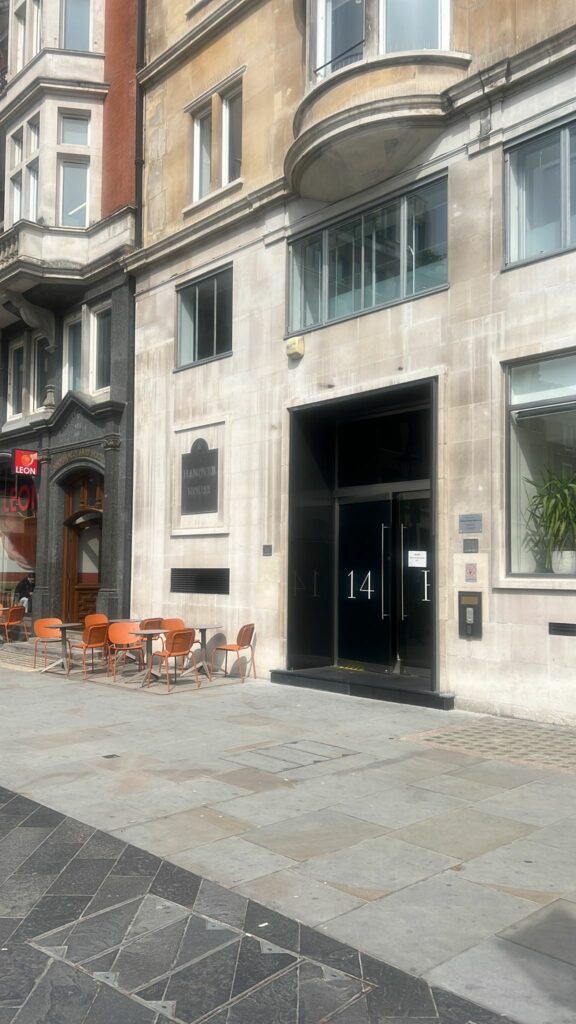
    Address: Halkin, 14 Hanover Square, London
    Postcode: W1S1HN

Frequently Asked Questions About the Hepatitis B Vaccine

Hepatitis B is a viral liver infection spread through infected blood and body fluids. It can cause both short-term illness and chronic liver disease.

Hepatitis B spreads through infected blood and body fluids, including unprotected sex, shared needles, contaminated equipment, and from mother to baby during birth.

Hepatitis B symptoms can include tiredness, nausea, abdominal pain, dark urine, jaundice, poor appetite, and fever. Some people have no symptoms.

Chronic Hepatitis B is an infection that lasts more than 6 months and can lead to liver damage, liver failure, or liver cancer.

The Hepatitis B vaccine may be recommended if you are travelling to a higher-risk area, staying long term, or may be exposed to blood or body fluids abroad.

The Hepatitis B vaccine is commonly recommended for travellers, healthcare workers, people at occupational risk, and those at increased risk of blood or body fluid exposure.

There are three possible Hepatitis B vaccine schedules depending on your needs:
-Standard: 0, 1 and 6 months
-Accelerated: 0, 1 and 2 months
-Rapid: 0, 7 and 21 days, with a booster at 12 months

Protection builds with each dose, but full protection usually requires the full course. Accelerated schedules can help when travel is close.

The Hepatitis B vaccine is highly effective and provides strong protection after the full course.

After a full course, Hepatitis B vaccine protection is long lasting and may be lifelong for many people.

A routine Hepatitis B booster is not usually needed for most travellers, but some higher-risk groups may need a booster or blood test.

Yes. A Hepatitis B test is a blood test that can check for infection, past exposure, or immunity.

Acute Hepatitis B is usually managed with supportive care. Chronic Hepatitis B may need monitoring and antiviral treatment.

Yes. The Hepatitis B vaccine can be given to children and is part of the UK routine childhood vaccination schedule.

The Hepatitis B vaccine is available on the NHS for certain higher-risk groups and is often free at sexual health clinics, as well as part of the routine childhood programme.

Yes, the Hepatitis B vaccine can often be given with other travel vaccines if clinically appropriate.

No. Hepatitis A is usually spread through contaminated food or water, while Hepatitis B spreads through blood and body fluids and can become chronic.

Yes. Hepatitis B can be spread through sexual contact because it is transmitted through infected body fluids.

Yes. Hepatitis B can spread through non-sterile needles or contaminated equipment used in tattoos, piercings, or medical treatment.

Some higher-risk groups, such as healthcare workers, may need a Hepatitis B blood test after vaccination to confirm immunity.

The Hepatitis B vaccine may not be suitable for people who have had a severe allergic reaction to a previous dose or vaccine ingredient.

Usually not. In most cases, the course can continue without restarting.

The Hepatitis B vaccine may be given during pregnancy or breastfeeding if the risk of exposure is significant.

You can get the Hepatitis B vaccine at London Vaccination Clinic in Liverpool Street, London Bridge, Kensington, and Mayfair.