Our Clinics
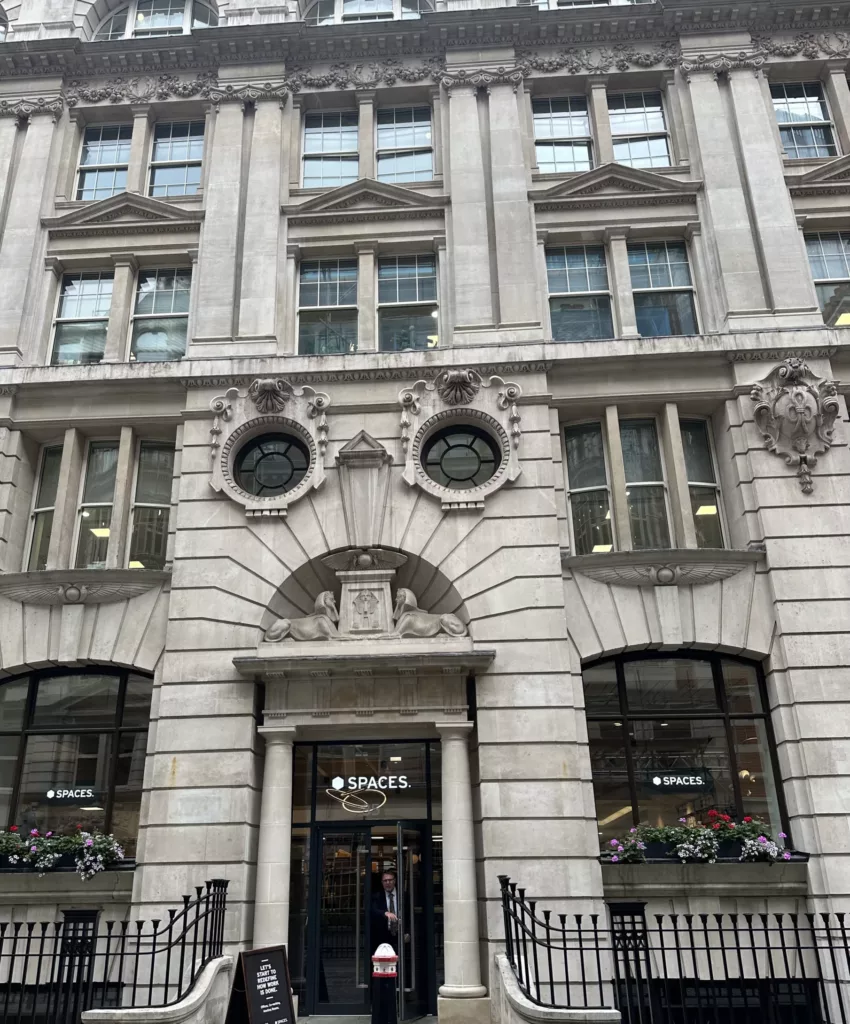
Liverpool Street
London Vaccination Clinic Spaces
35 New Broad Street, London
EC2M 1NH
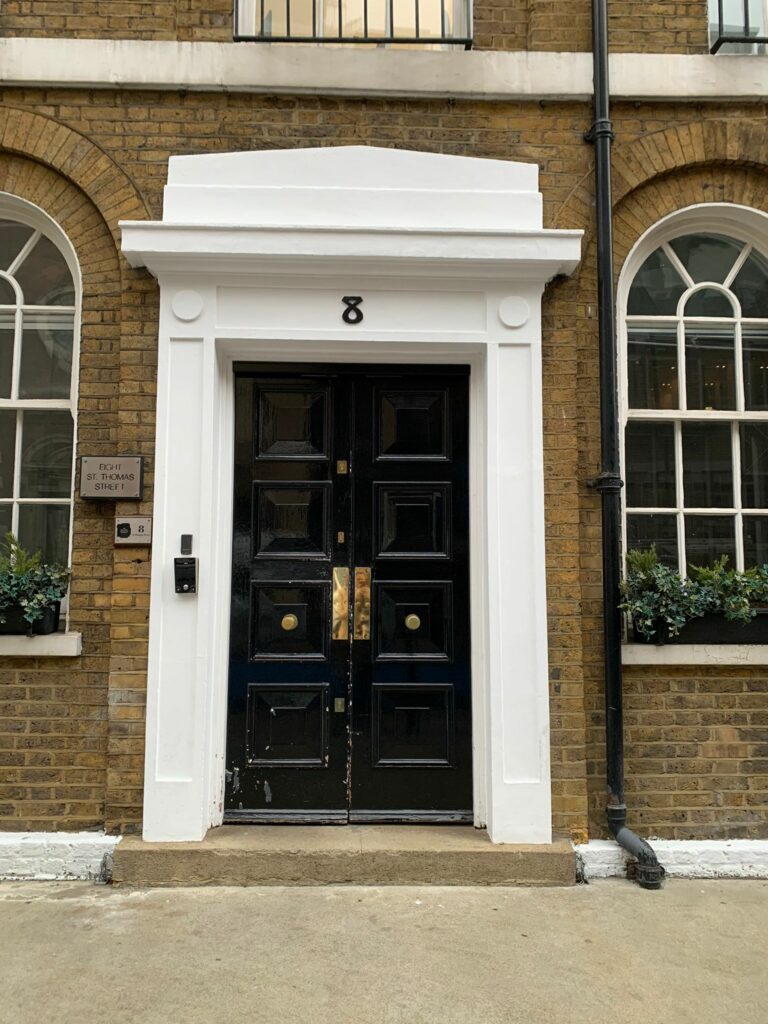
London Bridge
8 St Thomas Street
London
SE1 9RS
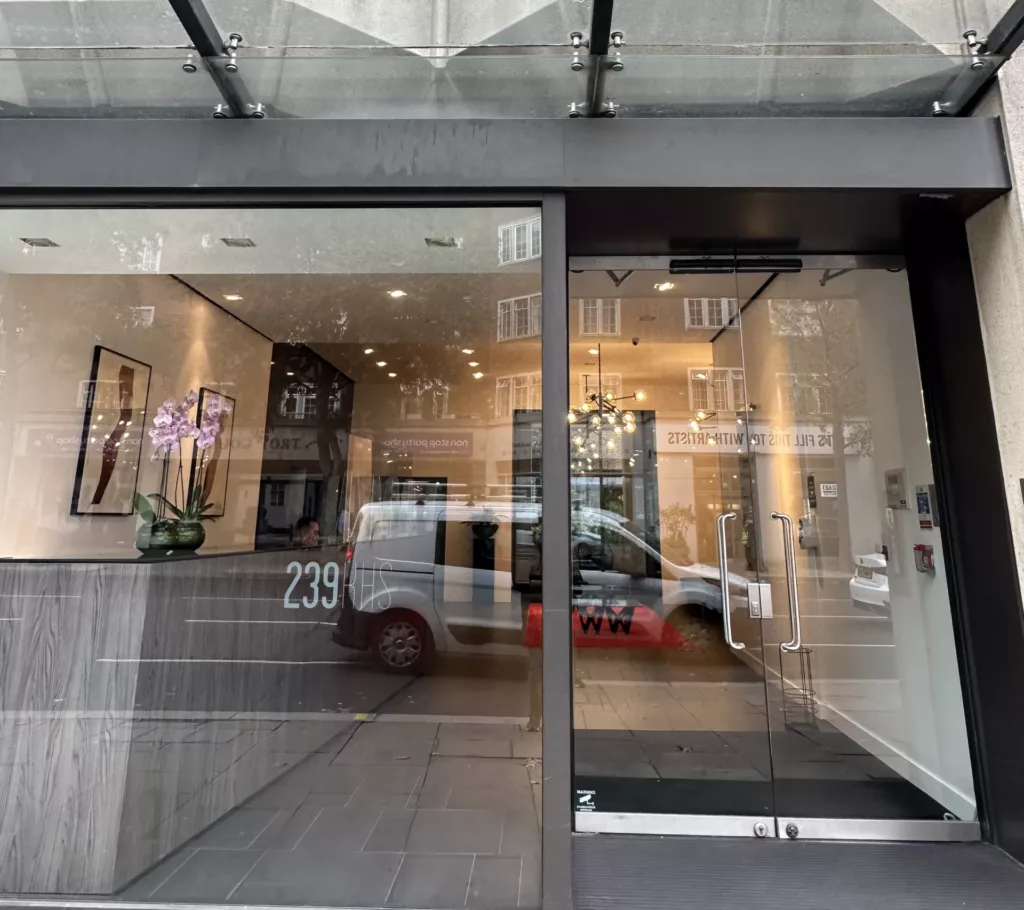
Kensington
Office 203
239 Kensington High St
W8 6SN
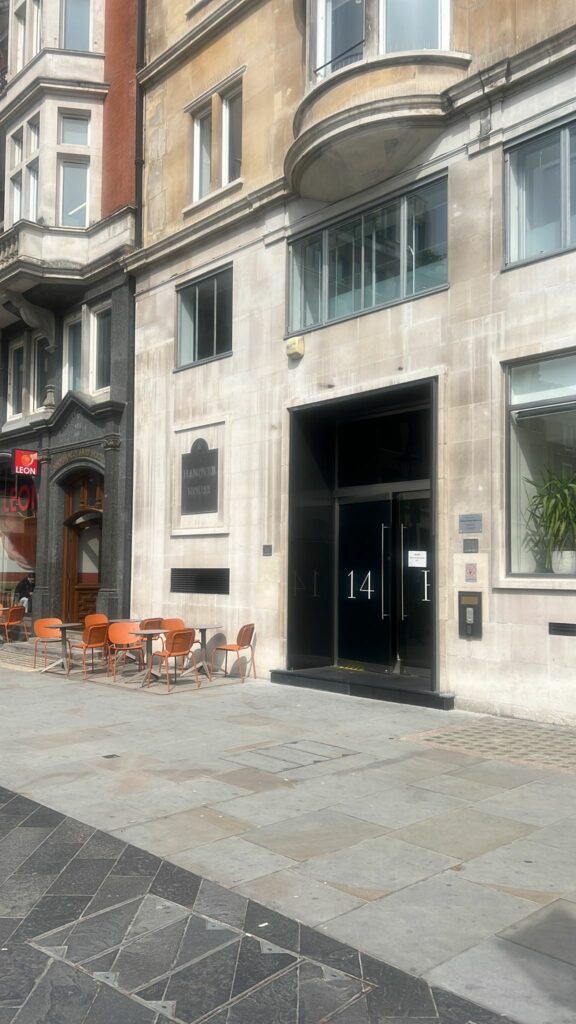
Mayfair
Office 14
Hanover Square, London
W1S1YH

Battersea Park
The Engine Room Battersea Power Station, 18, Circus Rd S, London SW11 8BZ
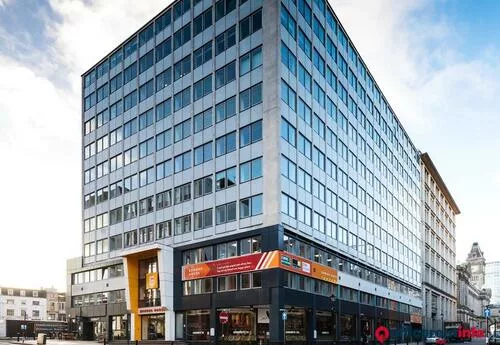
Birmingham Edmund House
Room 108, Edmund House, B3 3AS
Malaria is spread by the plasmodium parasite passed to humans from the bite of an anopheles mosquito. Malaria is a serious illness with symptoms include fever, chills, sweats and flu like symptoms. In severe cases, malaria can be fatal. There isn’t currently a vaccine available for our travellers, although there are other ways to protect yourself.
Malaria is found in the tropics and subtropics, in equatorial areas. The highest risk areas is Sub Saharan Africa, and the Amazon Jungle of South America, The malaria spreading mosquito bites between dusk and dawn.
Worryingly, in many places the insects are fast becoming immune to anti-malaria preparations. Scientists across the world are doing their best to dream up innovative new ways to halt the disease, including making key changes to the creatures’ DNA and even releasing millions of infertile male mosquitoes into the wild.
Global warming means malaria-carrying insects are spreading into cooler regions, so protection is more important than ever. But there’s some hope that a good malaria vaccine is finally on the cards, with exciting new developments announced in late April 2015.
If you travelling long or short term to a region where malaria is common you need to protect yourself. Here’s everything you need to know about malaria.
The symptoms tend to start 7 – 18 days after you’ve been bitten. But in some cases it can take a year. The initial symptoms are flu-like: a high temperature, headache, sweats and chills, sickness. But because they’re often mild, diagnosis can be tricky. Some versions of the disease involve four to eight hour fever cycles, where you keep going from hot to cold and back again. Common malaria symptoms include:
- Fever
- Chills
- Headache
- Sweating
- Fatigue
- Muscle pains
- Nausea
- Vomiting
- Diarrhoea
If you’re travelling to a place with a risk of the illness, malaria medication is one way to avoid it. You can minimise your exposure to infected mosquitoes using a number of different methods including mosquito repellents and ointments, treated mosquito nets, appropriate clothing, mosquito coils and by using appropriate insecticides at night time.
Your primary job is to avoid being bitten by a mosquito. Here’s some sensible advice about staying safe in at-risk regions.
- Sleep in a room with special screens
- Keep the windows and / or shutters closed
- Use a large mosquito net which covers your bed completely
- Make sure your net stays in good repair
- Use insecticide indoors at dusk to kill any insects that have sneaked in during the day
- If you sleep outdoors or in a room without screens, use an impregnated net
- Burn a mosquito coil while you sleep
- Stay indoors after sunset
- If you go out, cover exposed skin completely and use an insect repellent on any exposed skin. Diethyltoluamide (also known as DEET) works well, but it’s best to check first because different products tend to work better in some areas than others, since the insects eventually become immune
Speak to one of our expert travel nurses at least six to eight weeks before you travel. There are several options to help keep you safe from malaria and your travel nurse will advise you which option is most suitable, based on your travel itinerary, length of stay and a current health assessment.
We recommend antimalarial medication for all travellers to high risk countries. Most antimalarial medications are safe for everyone including pregnant women.
There isn’t a vaccine, so you need to protect yourself against being bitten for the entire time you’re in an at-risk area.
We’re perfectly placed to advise you about which anti-malarial preparations will suit you and your destination best. Feel free to arrange a visit.
Atovaquone/Proguanil- £46.00 for a box of 12
Doxycycline- £41.00 box of 50
Mefloquine- £32.00
Our London Travel Clinics
All 5 of our centrally located travel clinics are convenient for people living and working in London. Liverpool Street, London Bridge, High St Kensington, Battersea and Mayfair. We are open early morning, lunchtime, evening and weekends and provide all of the vaccinations and medications that you need.