Chickenpox (Varicella) Vaccine in Central London

Chickenpox is a highly contagious viral infection caused by the varicella zoster virus. While it is commonly associated with childhood, it can affect people of any age, and chickenpox in adults is often significantly more severe. By adulthood most people are already immune: around 90 to 95% of UK adults carry antibodies to the varicella zoster virus, having had chickenpox at some point, often as a mild or unnoticed infection in childhood. For those who have never had the infection or been vaccinated, the varicella vaccine offers reliable protection, and is available privately for children and adults at all four of our central London clinics.

About the Chickenpox Vaccine

When Should You Get the Chickenpox Vaccine

The chickenpox vaccine is recommended for anyone aged 1 and over who has not previously had chickenpox or been vaccinated. It is particularly important for adults who have not had the illness as a child, healthcare workers, people in close contact with vulnerable individuals, and those planning to travel to areas where chickenpox exposure is likely. If you are unsure whether you have had chickenpox, our clinical team can advise. Same-day appointments are available at our four central London clinics.

Vaccine Schedule

The chickenpox vaccine is given as a course of two doses, administered four to eight weeks apart. Both doses are required for full protection. The vaccine is a live, attenuated vaccine given as an injection into the upper arm or the fatty tissue of the upper arm. Two vaccine brands are licensed in the UK, both of which provide good levels of protection for children and adults. Our specialist nurses will confirm the appropriate vaccine for you at your appointment.

Booster Requirements

A routine booster is not currently required following the primary two-dose course. For most people, the varicella vaccine provides lifelong protection. Our clinical team will advise on the latest guidance at your appointment.

How the Chickenpox Vaccine Is Given

The vaccine is administered as an injection into the upper arm or upper arm subcutaneous tissue. Your appointment at London Vaccination Clinic includes a brief clinical consultation to confirm suitability and discuss your medical history, followed by safe administration of the vaccine. Appointments typically last between 15 and 30 minutes.

How Long Does the Chickenpox Vaccine Last

For most people, the varicella vaccine provides lifelong protection against chickenpox following completion of the two-dose course. Vaccination also reduces the risk of developing shingles later in life, as it prevents the varicella zoster virus from establishing dormancy in the nervous system.

Possible Side Effects

Chickenpox vaccine side effects are generally mild and short-lived. They may include soreness, redness or swelling at the injection site, a mild fever, and occasionally a mild chickenpox-like rash of a few spots appearing within a few weeks of vaccination. Flu-like symptoms or mild stomach upset can also occur. Serious reactions are very rare. Our clinical team will discuss any concerns before administering the vaccine.

Who Should Not Have the Chickenpox Vaccine

As a live vaccine, the chickenpox vaccine is not suitable for everyone. It should not be given to pregnant women, and women are advised to avoid conceiving for at least one month after the second dose. It is also not suitable for people who are immunosuppressed due to illness or medication. Those with a significant allergy to any component of the vaccine should discuss this with our nurses before proceeding. Our clinical team will assess your suitability fully during your consultation.

Risk if You Contract Chickenpox

In children, chickenpox symptoms are usually mild, but the illness can still cause significant discomfort due to the intensely itchy rash, fever, and fatigue. Chickenpox in adults tends to be considerably more severe, carrying a higher risk of serious complications including pneumonia, encephalitis, and secondary bacterial skin infections requiring hospitalisation. Pregnant women who contract chickenpox face additional risks, including the possibility of the virus affecting the unborn baby. People who are immunocompromised are also at substantially greater risk of severe disease. Even after recovery, the varicella zoster virus remains dormant in the nervous system and can reactivate years later as shingles, a painful condition that disproportionately affects older adults and those with weakened immunity.

Our London Travel Clinics

We have four central London travel clinics in Liverpool Street, London Bridge, High Street Kensington, and Mayfair, convenient for anyone living or working in the city. We are open early mornings, lunchtimes, evenings, and weekends, providing all essential travel vaccinations and medications.

  • Liverpool Street Travel & Vaccination Clinic

    Liverpool Street Travel & Vaccination Clinic

    Address: Spaces, 35 New Broad Street, London

    Postcode: EC2M 1NH

  • London Bridge Travel & Vaccination Clinic

    London Bridge Travel & Vaccination Clinic

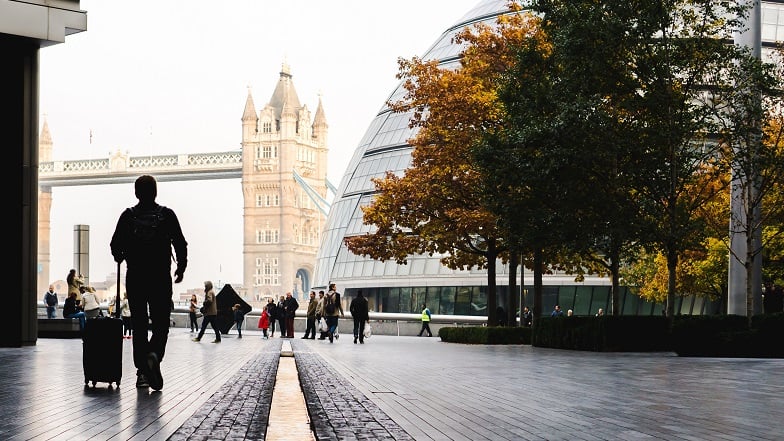
    Address: 3 More London Riverside, London

    Postcode: SE1 2RE

  • High Street Kensington Travel & Vaccination Clinic

    High Street Kensington Travel & Vaccination Clinic

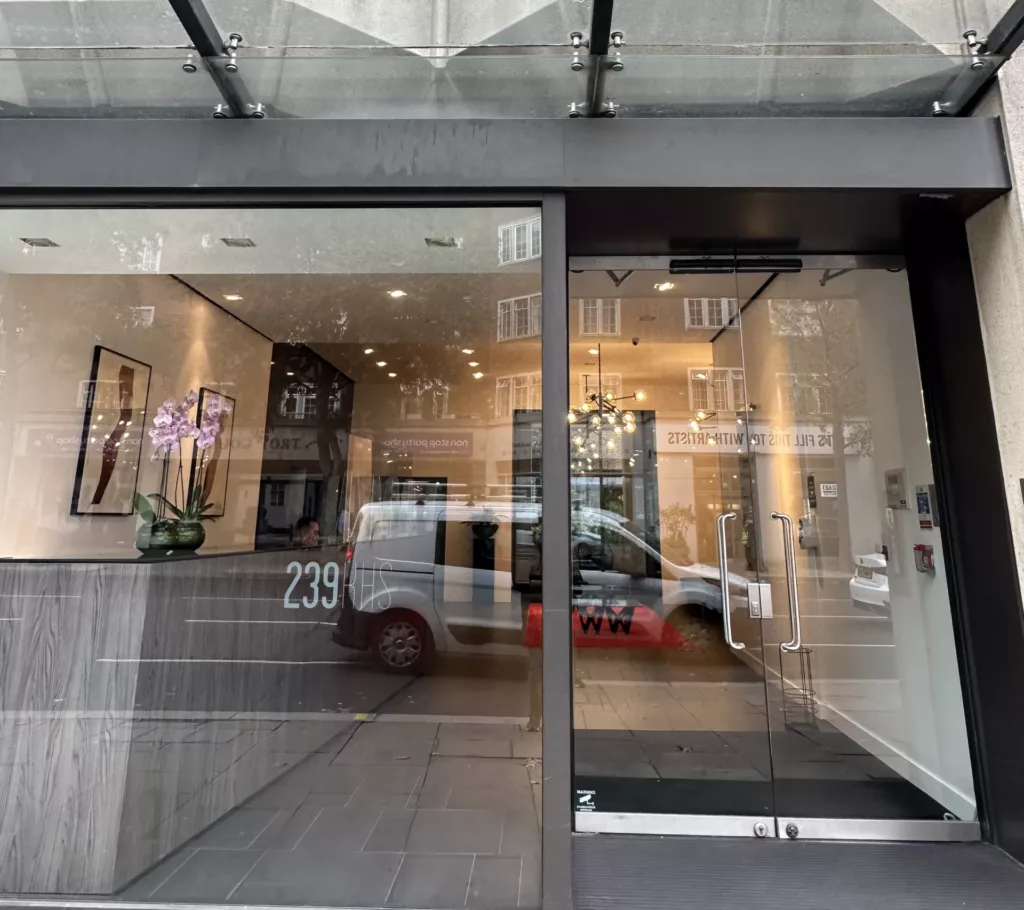
    Address: Regus, 239 Kensington High Street, London
    Postcode: W8 6SN

  • Mayfair Travel & Vaccination Clinic

    Mayfair Travel & Vaccination Clinic

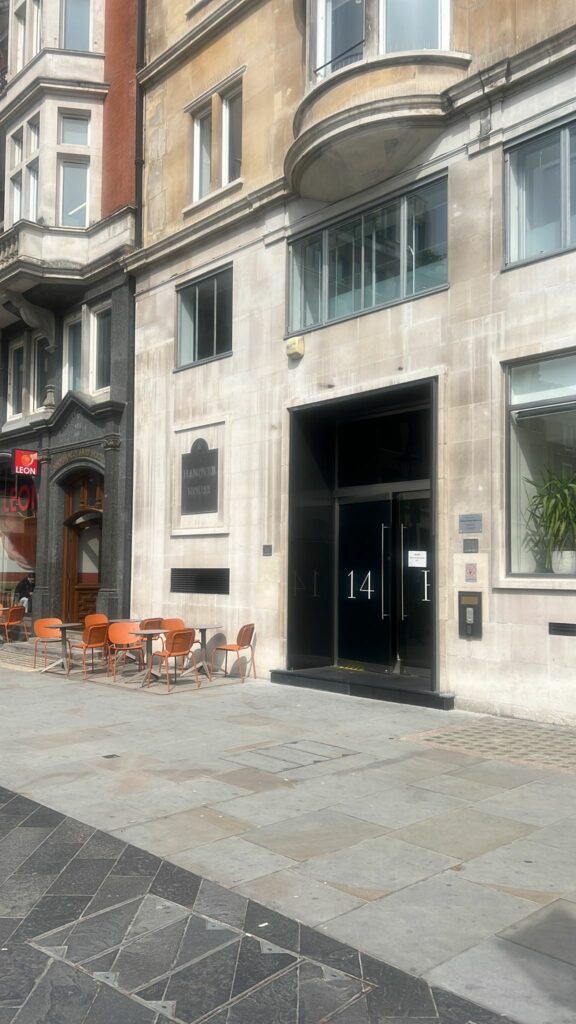
    Address: Halkin, 14 Hanover Square, London
    Postcode: W1S1HN

Frequently Asked Questions About the Chickenpox Vaccine

Chickenpox is a highly contagious viral infection caused by the varicella zoster virus. It causes a characteristic itchy blister rash, fever, and general flu-like illness. Most children recover fully within one to two weeks, though the illness is often more severe in adults.

Chickenpox symptoms typically begin with fever, tiredness, and a loss of appetite, followed within one to two days by the appearance of an itchy rash of small red spots that develop into fluid-filled blisters. The rash usually starts on the face and scalp before spreading across the body. The blisters eventually crust over and scab within five to seven days.

Very mild chickenpox may present as only a small number of spots, sometimes as few as ten to twenty blisters, often with minimal or no fever. Mild cases are more common in children and in those with some degree of prior immunity. Even with very mild chickenpox, the person remains contagious until all blisters have fully scabbed over.

It is rare to get chickenpox twice, as a natural infection typically confers lifelong immunity. However, reinfection is possible, particularly in people with weakened immune systems. After recovery, the varicella zoster virus stays dormant in the body and can reactivate later in life as shingles, which is a different condition.

Yes. Chickenpox is one of the most contagious infectious diseases. It spreads through direct contact with blister fluid and through airborne droplets from coughing and sneezing. An infected person is contagious from one to two days before the rash appears until all blisters have fully scabbed over, usually five to seven days after the rash first develops.

Current NHS guidance does not require parents to stay home from work solely because their child has chickenpox, provided the parent is not themselves unwell or unvaccinated and working with vulnerable people. However, the child must not attend school, nursery, or childcare until all blisters have fully scabbed over. If you work in healthcare, with pregnant women, new-borns, or immunocompromised individuals, you should seek specific advice from your employer before returning.

Chickenpox in adults is generally more severe than in children. Adults are at significantly higher risk of complications including chickenpox pneumonia, encephalitis, and secondary bacterial infections. Adults with chickenpox are also more likely to require medical treatment and hospitalisation than children with the same infection.

Two doses of the chickenpox vaccine are required, given four to eight weeks apart. Both doses are needed to achieve full protection. A single dose provides approximately 80 to 85% protection in adults; two doses increase this to approximately 98% in children and around 75% in adults.

The varicella vaccine is the medical name for the chickenpox vaccine. Varicella is the name of the virus that causes chickenpox (varicella zoster virus), and the vaccine protects against it by introducing a weakened form of the virus that stimulates an immune response without causing the disease.

The chickenpox vaccine is not part of the routine NHS childhood immunisation schedule in the UK, unlike in many other countries. It is available on the NHS only in specific circumstances, for example for healthcare workers without immunity. For everyone else, the varicella vaccine is available privately at London Vaccination Clinic.

The varicella vaccine contains a live but weakened form of the virus. In rare cases, a mild chickenpox-like rash of a small number of spots may appear within a few weeks of vaccination. This is not a full infection and typically resolves quickly. The vaccinated person can, in very rare circumstances, transmit the vaccine strain to close contacts who are highly immunocompromised, which is why our nurses assess each patient individually before administering the vaccine.

Yes, if you have never had chickenpox or been vaccinated, you can catch chickenpox from someone with shingles through direct contact with the shingles rash or blister fluid. You cannot, however, catch shingles itself from another person. The chickenpox vaccine reduces this risk by preventing the varicella zoster virus from establishing itself in your body in the first place.

Not reliably. Breast milk passes on antibodies and immune factors that help a baby fight infection, but it does not prevent chickenpox. A baby’s strongest protection comes from antibodies passed across the placenta during pregnancy, especially if the mother has had chickenpox or been vaccinated. Breast milk adds some further support.

If a baby still carries maternal antibodies from pregnancy, those antibodies can partly control the virus even when they do not prevent it. The illness is then often milder, with fewer spots, a lower fever and a quicker recovery.

Usually not. A genuine chickenpox infection normally gives long-lasting immunity, even when the illness was mild. The child develops their own immune response and stays protected, and stopping breastfeeding does not change this. The virus can lie dormant and reappear years later as shingles, but that is a separate condition, not a second case of chickenpox.

The chickenpox vaccine costs £85 per dose at London Vaccination Clinic, and two doses are required for a full course. Please contact our team or visit our price list for current availability.

You can receive the chickenpox vaccine at any of our four central London clinics in Liverpool Street, London Bridge, High Street Kensington, and Mayfair. Same-day appointments are available. Book online or call us on 020 7112 5198.