About the Pneumococcal Vaccine
When Should You Get the Pneumococcal Vaccine
The pneumococcal vaccine is recommended for individuals at increased risk of pneumonia, including older adults, young children and those with underlying health conditions. It can be given at any time of year and is particularly important before periods of increased respiratory infections.
Our specialist nurses will assess your medical history and advise on the best timing for your vaccination.
Vaccine Schedule
The pneumococcal vaccine is typically given as a single injection.
At London Vaccination Clinic:
- Children (under 2): Single dose
- Adults: Single dose
Our clinicians will confirm the most appropriate pneumococcal vaccine schedule for adults or children based on your individual needs.
Booster Requirements
In most cases, healthy adults will not require a routine booster after vaccination.
A booster may be recommended for individuals at ongoing risk or with certain medical conditions.
Our specialist nurses will advise if further doses are needed.
How the Pneumococcal Vaccine Is Given
The vaccine is administered as an injection in the upper arm during your appointment.
Your visit typically lasts around 10–15 minutes and includes:
- A medical consultation
- Assessment of suitability
- Safe administration of the vaccine
Our goal is to provide a fast, convenient vaccination service in London.
How Long Does the Pneumococcal Vaccine Last
The pneumococcal vaccine provides long-term protection, and most healthy adults do not require repeat doses.
Duration of protection may vary depending on age and health status.
Possible Side Effects
Most people tolerate the vaccine well. Pneumococcal vaccine side effects are usually mild and short-lived.
Possible side effects include:
- Pain, redness or swelling at the injection site
- Mild fever
- Fatigue
- Headache
- Muscle aches
Serious side effects are very rare. Our specialist nurses will discuss any concerns with you before vaccination.
Who Should Have the Pneumococcal Vaccine
The vaccine is recommended for individuals at higher risk of pneumococcal disease, including:
- Adults over 65
- Children under 2 years
- People with chronic health conditions
- Individuals with weakened immune systems
- Those at increased risk of respiratory infections
If you are unsure whether you need the pneumococcal vaccine in the UK, our clinic will provide personalised advice.
Risk of Catching Pneumonia
Pneumonia is a common and potentially serious lung infection that can be caused by bacteria, viruses or fungi, with pneumococcal bacteria being a leading cause.
Pneumonia symptoms may include:
- Persistent cough
- Fever
- Shortness of breath
- Chest pain when breathing or coughing
- Fatigue and loss of appetite
Pneumonia is contagious and can spread through coughs, sneezes and close contact.
In severe cases, it can lead to hospitalisation or complications, particularly in vulnerable individuals.
Vaccination remains one of the most effective ways to reduce your risk.
Our London Travel Clinics
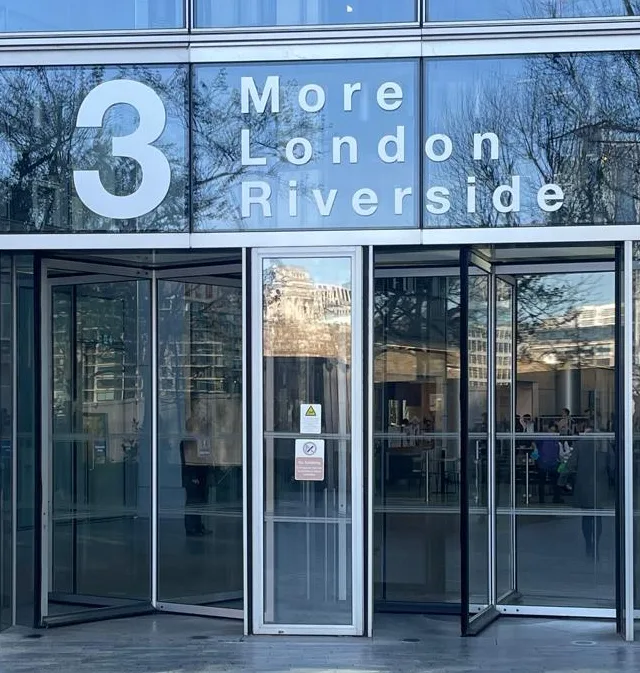
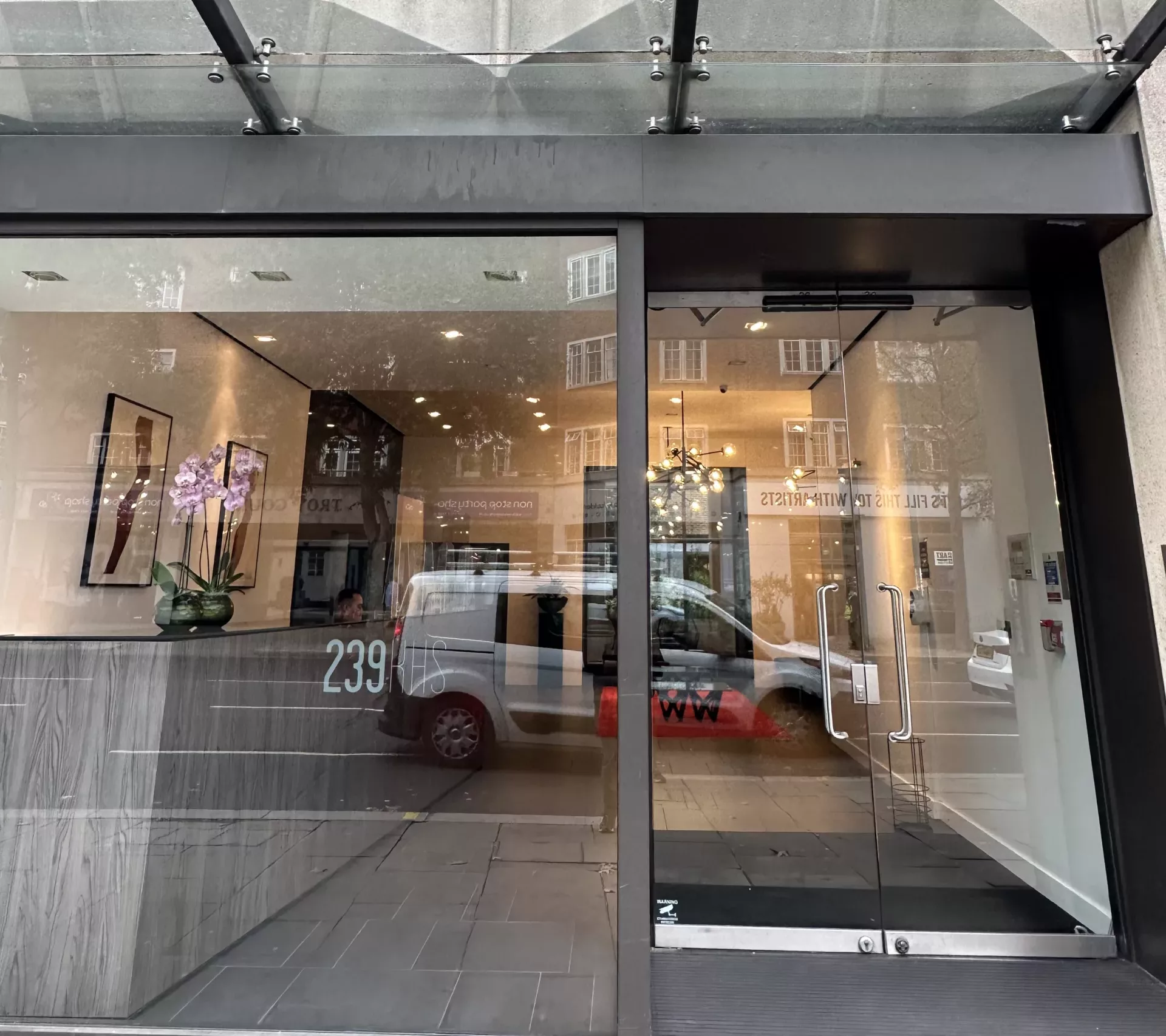
We have four central London travel clinics in Liverpool Street, London Bridge, High Street Kensington, and Mayfair, convenient for anyone living or working in the city. We are open early mornings, lunchtimes, evenings, and weekends, providing all essential travel vaccinations and medications.


Frequently Asked Questions About the Pneumococcal Vaccine
Pneumococcal disease is an infection caused by Streptococcus pneumoniae bacteria, which can lead to serious conditions such as pneumonia, meningitis and septicaemia.
Pneumonia is a lung infection that causes inflammation and fluid build-up in the air sacs, leading to symptoms such as cough, fever and difficulty breathing.
Common pneumonia symptoms include a persistent cough, fever, shortness of breath, chest pain, fatigue and loss of appetite.
Yes, pneumonia can be contagious, particularly when caused by bacteria or viruses, and is usually spread through coughs, sneezes and close contact.
Pneumococcal infections are spread through airborne droplets from coughing or sneezing, or through close contact with someone carrying the bacteria.
Those at higher risk include older adults, young children, people with chronic health conditions and individuals with weakened immune systems.
You may benefit from the pneumococcal vaccine if you are over 65, have underlying health conditions or want additional protection against pneumonia—our specialist nurses can advise.
Yes, the pneumococcal vaccine UK is available both through the NHS for eligible groups and privately at clinics like London Vaccination Clinic.
Yes, but the pneumonia vaccine significantly reduces your risk and helps prevent severe illness caused by the most common pneumococcal strains.
The incubation period is typically 1–7 days, depending on the cause of the infection.
Pneumonia is diagnosed based on symptoms, physical examination, and may be confirmed with chest X-rays or blood tests.
Treatment usually includes antibiotics (for bacterial pneumonia), rest and fluids, with hospital care required in more severe cases.
You can reduce your risk by having the pneumococcal vaccine, maintaining good hygiene and avoiding close contact with infected individuals.
Yes, the pneumococcal vaccine is routinely given to children as part of the UK immunisation schedule and can also be provided privately if needed.
Yes, the pneumococcal vaccine can usually be given alongside other vaccines such as flu or COVID-19 vaccines, depending on clinical advice.
Vaccination may be delayed if you are unwell with a fever or have had a previous allergic reaction, our specialist nurses will assess your suitability.
If you are searching for a pneumococcal vaccine near me, London Vaccination Clinic offers convenient Central London locations with expert care.