About the Chikungunya Vaccine
When Should You Get the Chikungunya Vaccine
Ideally, book your appointment at least 14 days before travelling to ensure your body develops full protection. However, even if you’re travelling soon, it’s still recommended to get vaccinated before departure, and we offer same-day appointments where possible.
Vaccine Schedule
Only one dose of the Chikungunya vaccine is required to provide immunity against the virus.
Booster Requirements
At present, no booster is required after the initial vaccination.
How the Chikungunya Vaccine Is Given
The Chikungunya vaccine is administered as a single injection in the upper arm by our trained clinicians in London.
How Long Does the Chikungunya Vaccine Last
Current research suggests long-term protection, but studies are ongoing to determine the exact duration of immunity.
Possible Side Effects
Mild and temporary side effects such as fever, headache, or soreness at the injection site may occur. These usually settle within a few days.
Who Should Not Have the Chikungunya Vaccine
There are currently two different Chikungunya vaccines available, and suitability depends on age, medical history, and the type of vaccine used. The live attenuated vaccine is licensed for adults aged 18–59 years, while the inactivated vaccine is suitable for individuals aged 12 years and over.
Risk if You Contract Chikungunya
Chikungunya infection can lead to intense joint pain, particularly in the hands and feet, that may persist for weeks or even months. In some cases, pain and stiffness can continue for years after recovery.
Our London Travel Clinics
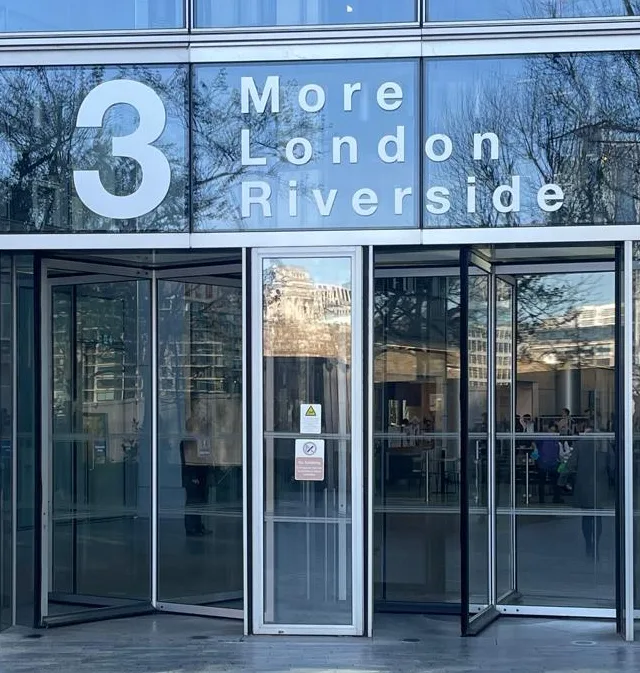
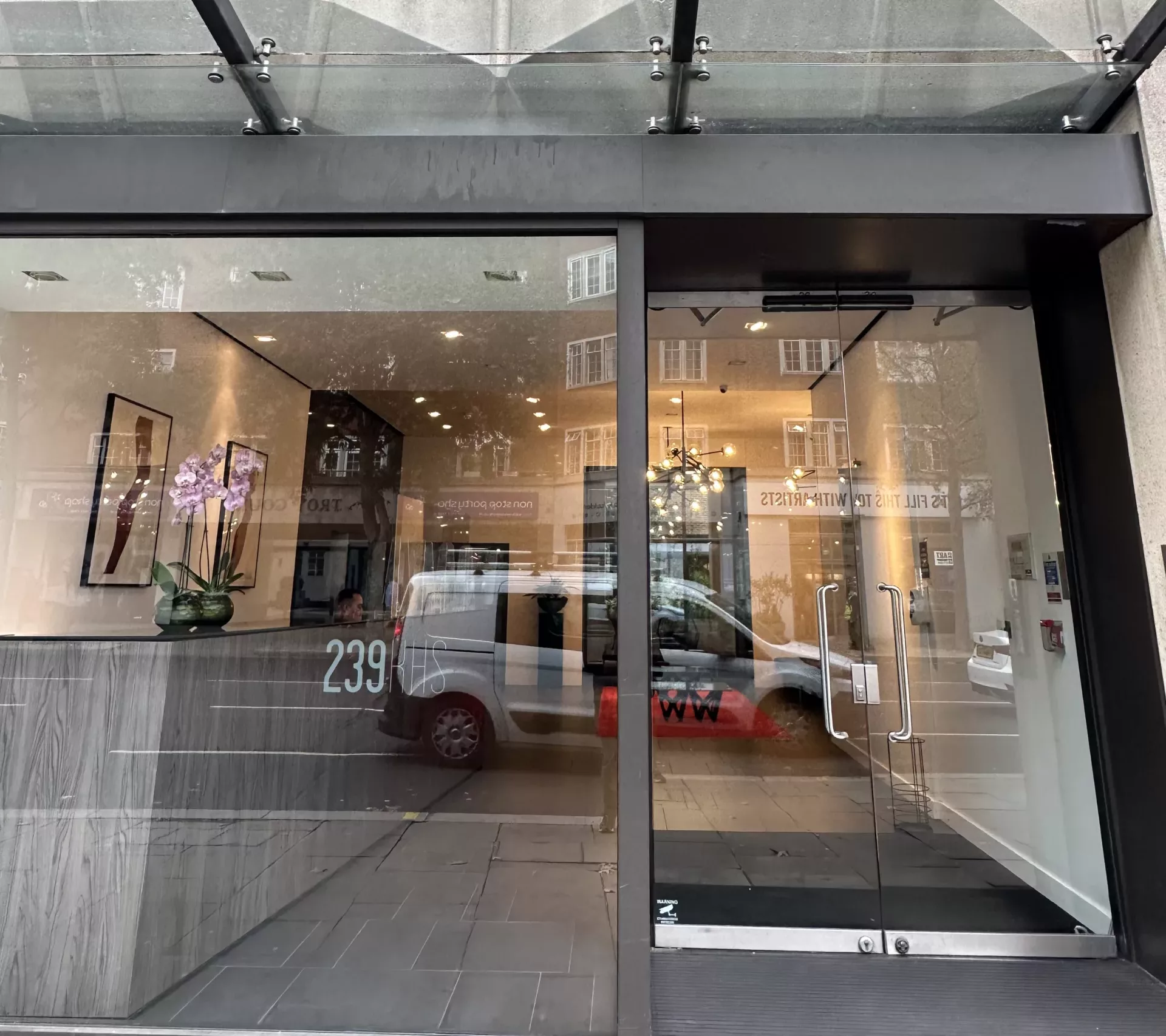
We have four central London travel clinics in Liverpool Street, London Bridge, High Street Kensington, and Mayfair, convenient for anyone living or working in the city. We are open early mornings, lunchtimes, evenings, and weekends, providing all essential travel vaccinations and medications.


Frequently Asked Questions About the Chikungunya Vaccine
Chikungunya is a mosquito-borne viral infection that causes sudden fever and severe joint pain, especially in the hands and feet. Other symptoms may include rash, fatigue, and muscle aches. Most people recover within two weeks, but joint pain can sometimes last for months or even years.
Chikungunya is spread through the bite of infected Aedes mosquitoes, which are active mainly during the day. These mosquitoes breed in standing water and are common in tropical and subtropical regions.
The virus is found in Africa, Asia, the Indian subcontinent, and the Americas, with occasional outbreaks reported in southern Europe. Travellers to these areas are advised to get vaccinated before departure.
No. Chikungunya is not contagious between people. It can only be transmitted through the bite of an infected mosquito.
Chikungunya is transmitted by Aedes aegypti and Aedes albopictus mosquitoes, the same species responsible for Dengue and Zika virus transmission.
Typical symptoms include fever, joint pain, rash, and muscle aches. In severe cases, joint pain and stiffness may continue for several months or longer. Older adults and those with pre-existing conditions are more likely to experience prolonged symptoms.
The Chikungunya vaccine may be recommended for travellers aged 12 years and over, depending on the vaccine type, who are travelling to areas where the virus is present. There are two Chikungunya vaccines available: a live vaccine, suitable for adults aged 18–59 years, and an inactivated vaccine, suitable from 12 years and over.
Our specialist nurses will carry out a full consultation and risk assessment and advise which vaccine is most appropriate for you.
Yes. There are two types of Chikungunya virus vaccines available privately in the UK: Ixchiq® – a live vaccine for adults aged 18–59 years, and Vimkunya® – a non-live, virus-like particle (VLP) vaccine for adults aged 18 and over.
Clinical data show that the inactivated Chikungunya vaccine provides approximately 98% protection at 22 days, decreasing to around 86% at six months, while still offering strong ongoing immunity.
Current data suggest that the live Chikungunya vaccine provides protection for up to three years. For the inactivated vaccine, high levels of protection are seen at six months and are very likely to last significantly longer, although further long-term data are still being collected.
Only one dose of the Chikungunya vaccine is needed to achieve immunity.
At London Vaccination Clinic, the Chikungunya vaccine cost is £195 for one dose. A short consultation with one of our travel health specialists is required before vaccination.
You can receive the Chikungunya vaccine in London at any of our London Vaccination Clinic branches: Liverpool Street, London Bridge, High Street Kensington, and Mayfair. All locations offer same-day appointments for travel vaccinations.
It is recommended to book your Chikungunya vaccine at least 14 days before you travel, to allow your body time to build immunity. However, last-minute appointments are also available at London Vaccination Clinic.
Most side effects are mild and short-lived, such as slight swelling or soreness at the injection site, tiredness, or a low-grade fever. These symptoms usually go away within a few days.
No. The Chikungunya vaccine is not available on the NHS and is currently offered only through private vaccination clinics such as London Vaccination Clinic.
Even after vaccination, it is important to protect yourself from mosquito bites by using repellents containing DEET or picaridin, wearing long sleeves and trousers, sleeping under mosquito nets, staying in screened or air-conditioned rooms, and avoiding areas with standing water.
There is no specific antiviral treatment. Care focuses on easing symptoms such as fever and joint pain. Prevention through vaccination and mosquito protection is the best approach.